In Livingston Parish, the Same House Can Carry Two Different Flood Insurance Bills This Year
September 10, 2026
September 10, 2026
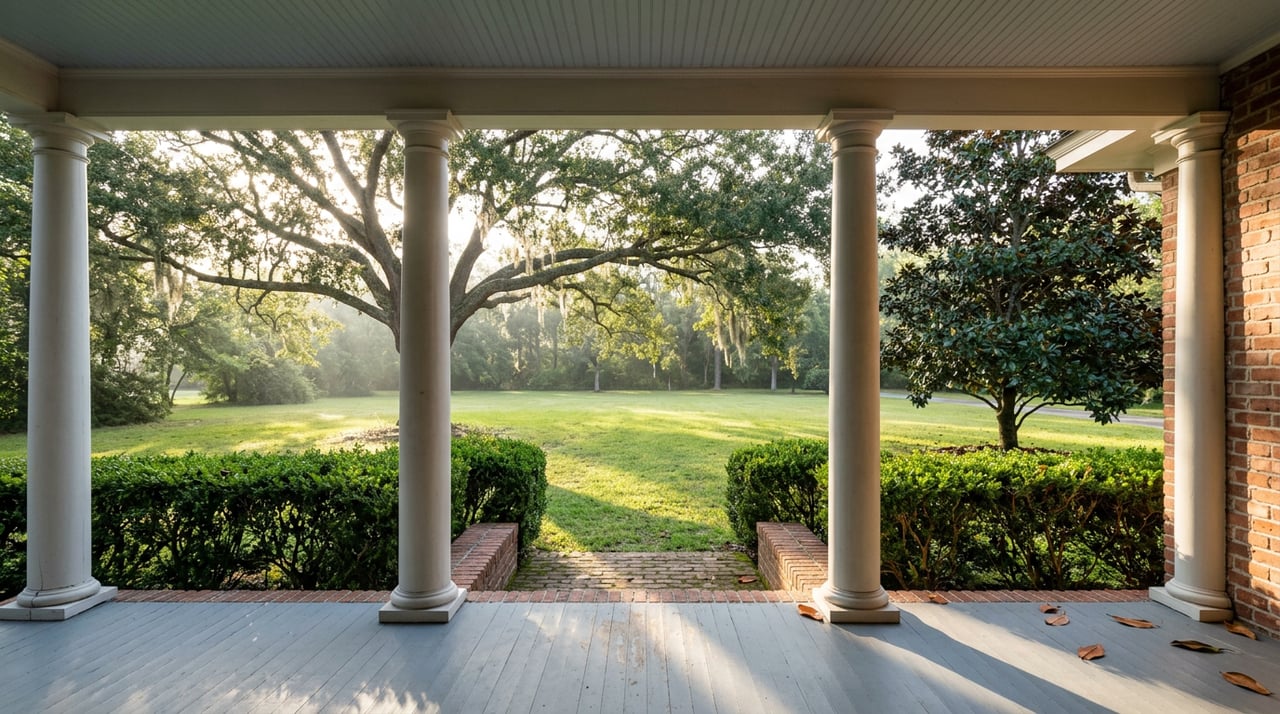
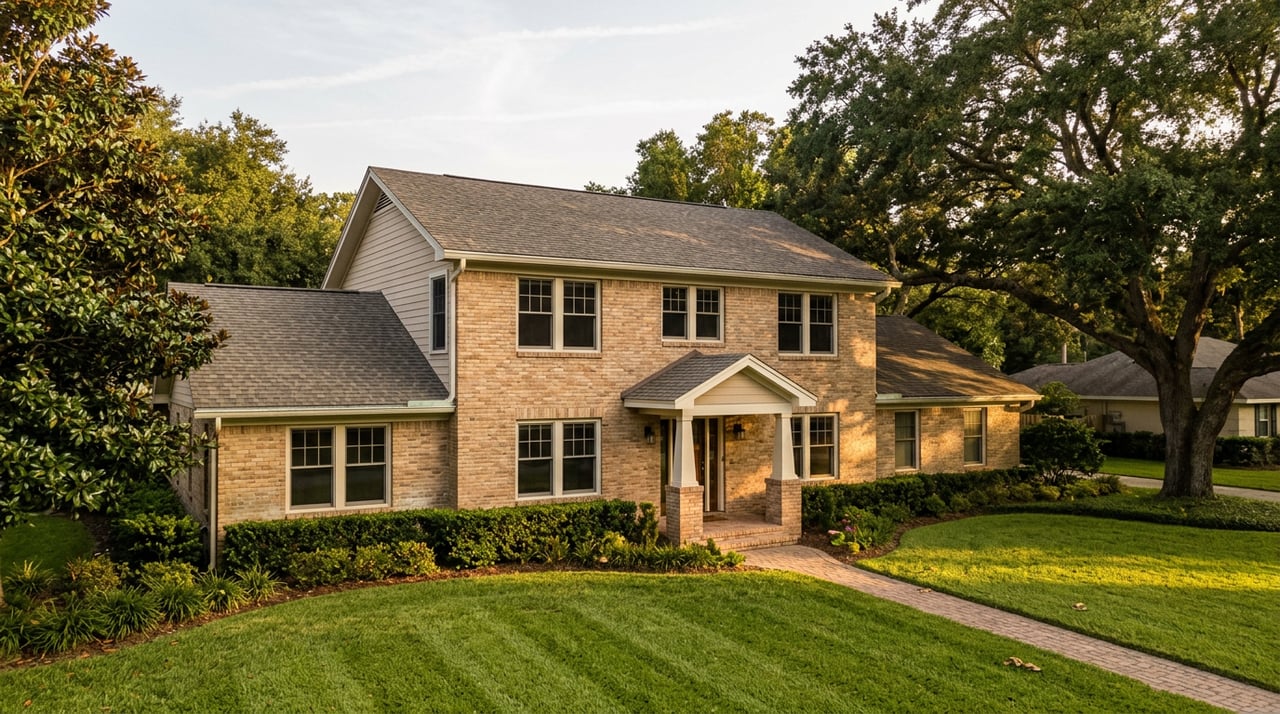
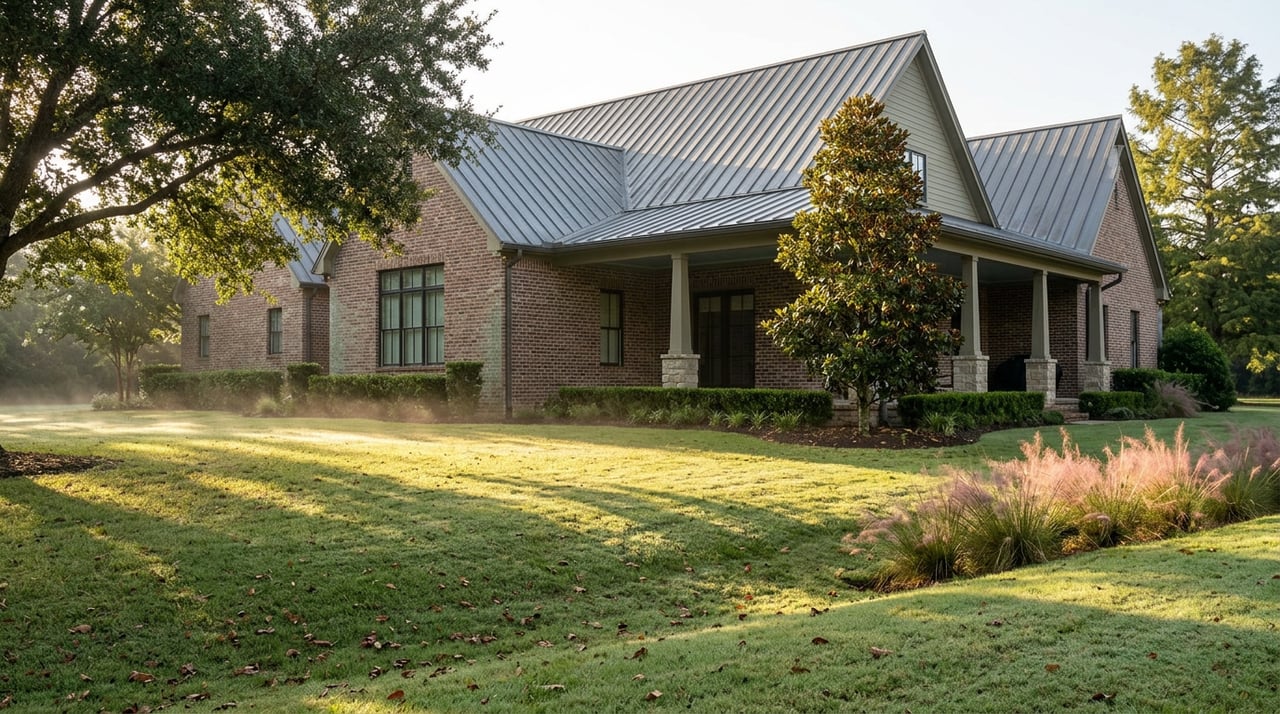
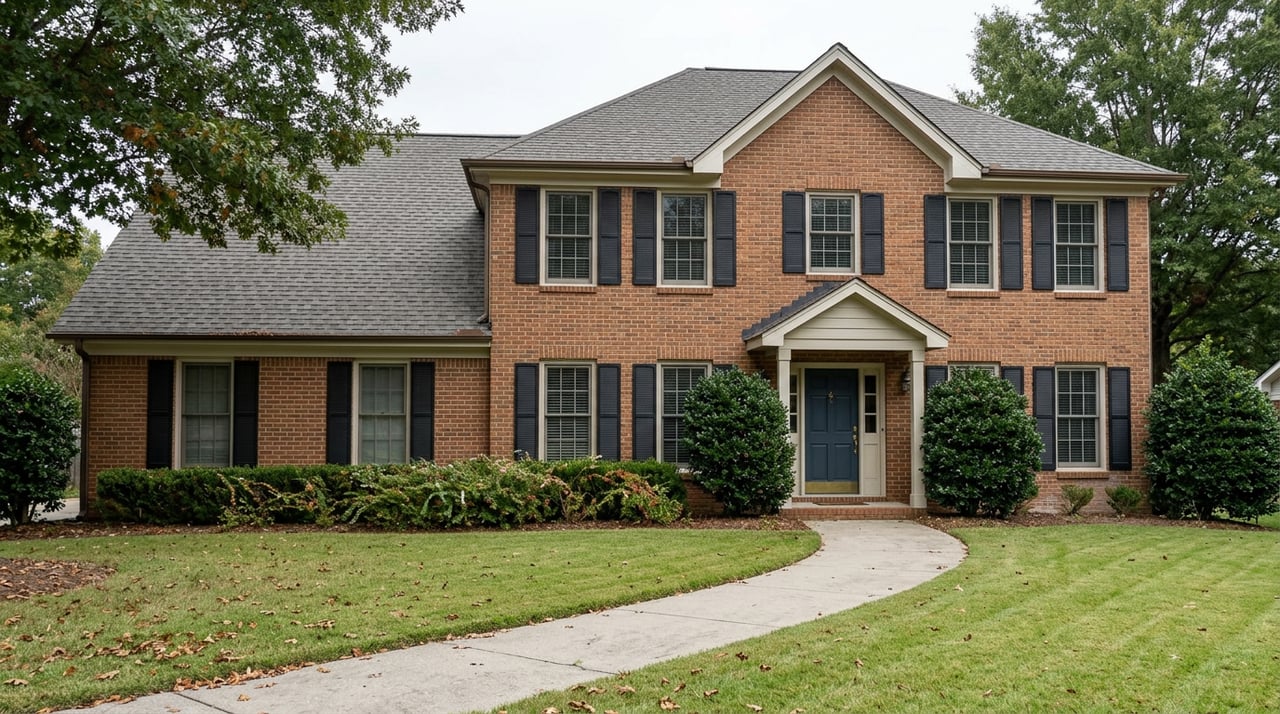
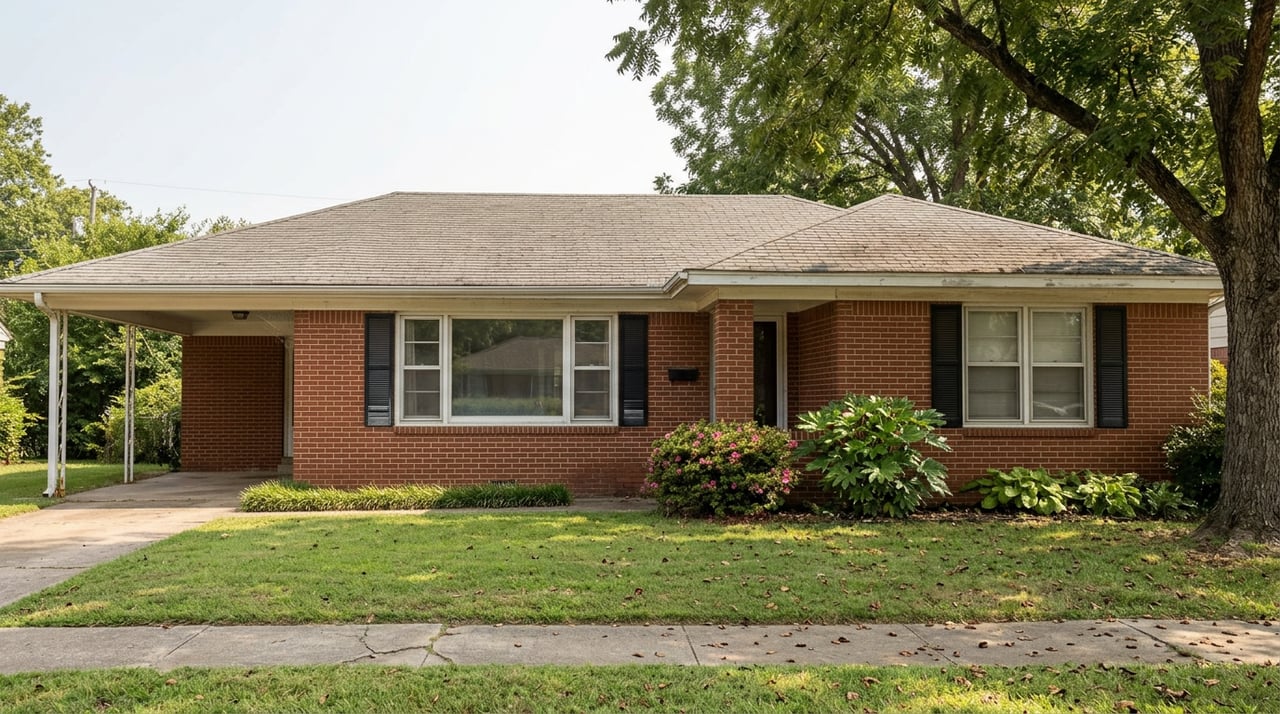
Picture two brick ranch homes on the same street in Denham Springs. Same square footage, same flood zone, same builder even. One sold in February. The other is closing this month. On paper, nothing about the properties is different. But the flood insurance line on each closing disclosure could tell two different stories, and the gap has nothing to do with either house.
It comes down to a single date on the calendar: April 7, 2026.
Most buyers assume flood insurance pricing starts and ends with their own address: what flood zone the lot sits in, how high the structure sits relative to base flood elevation, what FEMA's Risk Rating 2.0 system calculates from LiDAR data. That part is real and it still matters.
What catches people off guard is that there is a second layer stacked on top of the individual property math, and it applies to the entire parish at once. It is called the Community Rating System, a voluntary FEMA program that grades a community's floodplain management the way an inspector might grade a building, then applies a uniform discount to every eligible policyholder inside that community. A parish with a strong CRS class gets a bigger discount across the board. A parish with a weak one gets little or nothing, no matter how well an individual homeowner has elevated their own house.
Livingston Parish just moved on that parish-wide score, and the timing of that move is the whole story.
After the August 2016 flood, Livingston Parish ended up with the worst possible CRS rating a community can hold. Parish President Randy Delatte has described taking office and finding the parish completely out of the Community Rating System, sitting at a Class 10, which he called essentially no discount at all. The parish had accumulated roughly 200 potential violations tied to the 2016 flood and its aftermath, according to the Livingston Parish News, most of them stemming from a hard call the prior administration made at the time: get displaced families back into their homes quickly rather than force the elevation work FEMA wanted first. It was a defensible choice in the moment. It also meant the parish spent years locked out of the CRS program entirely, and every flood policyholder in Livingston paid full freight for it.
The current administration hired flood management specialist Cindy O'Neal as a FEMA liaison and CRS coordinator, and her work with parish staff resolved those roughly 200 violations while more than 250 structures were brought up to FEMA standards over an 18-month stretch. FEMA responded by readmitting Livingston Parish to the Community Rating System as a Class 7, an improvement Delatte has called one of the biggest accomplishments of his administration.
The Class 7 rating carries a 15 percent discount on flood insurance premiums for eligible policyholders, an improvement Delatte estimated would put more than $1 million back into residents' pockets annually across the parish, as reported by The Advocate. To put the discount curve in context, here is how CRS classes have translated into savings for Livingston specifically:
| CRS Class | Discount | Livingston Parish status |
|---|---|---|
| Class 10 | No discount | Where the parish sat after 2016 |
| Class 9 | 5% | Livingston's best rating, held in the early 2000s |
| Class 7 | 15% | Current rating, effective April 7, 2026 |
| Class 5 | 25% | Achieved by the nearby Central area in January 2025 |
That bottom row matters. The Central area, not far from Livingston Parish, reached Class 5 back in January 2025, and its residents started seeing a 25 percent reduction in flood premiums. Speaking in September 2025, Delatte said he believed Livingston could reach that same Class 5 rating within a year. Whether that timeline holds, the direction is the point: if the parish gets there, the discount roughly doubles again from where it sits today.
None of this rolled out as smoothly as the announcement suggested it would. In March 2026, WAFB reported that the ongoing federal government shutdown had slowed FEMA's processing on Community Rating System updates, putting the April 1 start date for Livingston's discount in doubt. Delatte was blunt about it at the time: "To be clear, this is a delay, not a denial. We have already qualified, and this is a matter of when, not if."
By March 31, FEMA had confirmed the timeline was back on track, and the Class 7 discount took effect as planned on new and renewed policies. But the episode is a useful reminder that even a federally certified rating improvement can sit at the mercy of processing backlogs outside anyone's control. Nothing here moves as cleanly as a press release implies, and the practical effect landed on a slightly different calendar than the parish first announced.
Here is the part that catches buyers, sellers, and even some lenders off guard. The 15 percent discount does not retroactively apply to every existing policy in the parish. It applies going forward, tied to policy effective dates, and only to policyholders carrying a full-risk-rate NFIP policy. A homeowner whose policy renewed in, say, January 2026, three months before the Class 7 rating took effect, is likely still paying the old Class 10 rate until their next renewal cycle rolls around. Their neighbor who bought a new policy in May is already getting the discount.
That creates a real gap for anyone in a Livingston Parish transaction right now. If a seller's current insurance declarations page is dated before April 7, 2026, the premium shown there may not reflect what a buyer will actually pay after closing. A brand new policy written at closing should qualify for the Class 7 discount automatically, assuming it is a full-risk-rate policy and the property is otherwise eligible. But the seller's number and the buyer's number are not guaranteed to match, even on the identical house.
For anyone under contract in Livingston Parish this year, the practical move is simple: do not rely on the seller's existing flood insurance figure as your monthly payment estimate. Get a fresh quote priced as a new policy, and ask the insurance agent directly whether it reflects the post-April 7 Class 7 rating. The gap between an outdated quote and a current one can run into hundreds of dollars a year, which adds up over the life of a mortgage escrow account.
The CRS class is not a static fact about Livingston Parish. It is a moving target the parish government is actively trying to push lower, and Central's Class 5 example shows what that next step could look like if the parish gets there. A buyer comparing Livingston Parish to a neighboring area on flood insurance cost alone should treat today's 15 percent discount as a floor, not a ceiling, and factor in that another reclassification could shift the math again within a year or two.
Does the 15 percent discount apply to every flood insurance policy in Livingston Parish? Only to eligible policyholders carrying a full-risk-rate NFIP policy, and only for policies effective on or after April 7, 2026. Subsidized or pre-FIRM rated policies may not qualify the same way, so confirm eligibility directly with the insurance carrier rather than assuming.
If my elevation certificate already puts me above base flood elevation, does the CRS discount still matter? Yes. The CRS discount is separate from individual elevation-based pricing under Risk Rating 2.0. It applies on top of whatever your property's own risk profile already generates, so a well-elevated home in Livingston Parish benefits from both layers.
How do I find out whether a specific policy already reflects the Class 7 rate? Ask the policyholder's insurance agent for the current declarations page and the policy's effective date. If it predates April 7, 2026, the discount likely has not been applied yet, and a new policy at closing should be quoted separately rather than assumed to match.
Flood insurance math in Livingston Parish just got more favorable, but the timing details are easy to miss in the middle of a closing. If you are buying or selling here and want a clear read on how this affects your specific transaction, Debra Sullivan and the team can walk through the numbers with you before you sign anything.
Stay up to date on the latest real estate trends.

Experience personalized service, expert guidance, and dedicated support from a team committed to helping you buy or sell with confidence.